

















Have you ever found yourself scrolling through TikTok when a quick and intriguing video grabs your attention? An enthusiastic influencer shares the plot of a new book, and soon you’re clicking ‘Buy.’ This type of content is a part of the TikTok community’s Book-
Tok. Here, users share, review, and talk about books, often making titles go viral and boosting sales.
With more than sixty billion #BookTok uses, BookTok is one of TikTok’s biggest communities. Other platforms like Goodreads, BookTube, and Bookstagram have their own reading audiences, but none have matched BookTok’s influence.
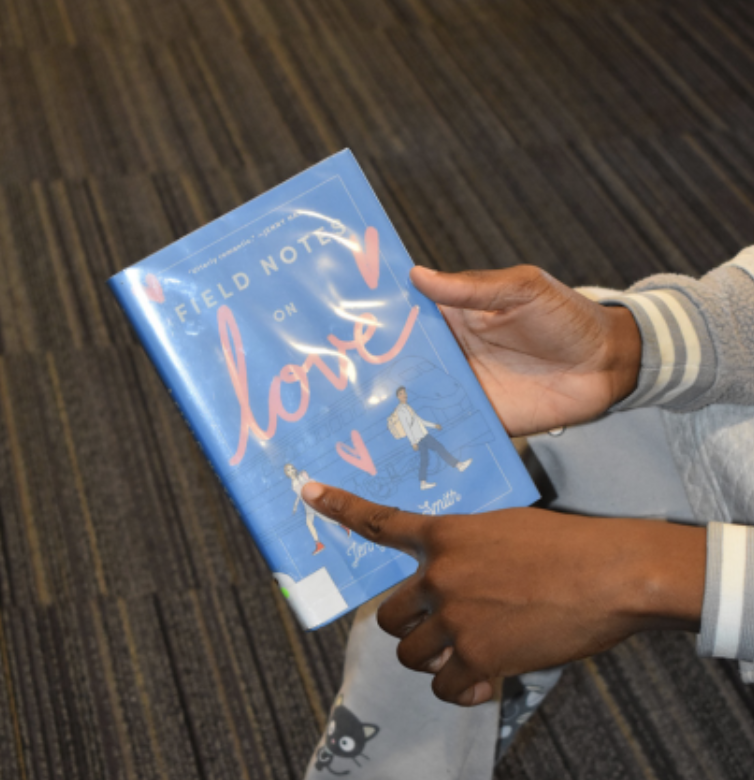
BookTok mainly targets young adults, turning books into a trend. It promotes book-related content to users in this age group, increasing the visibility of trending titles. Teagan O’Donnell ‘29 mentions that when she is intrigued, it is because of “the cover of the books, because most of the books that I read have bright colors, so I feel that the bright colors on the cover make it more enjoyable and more inviting to go pick up.” Similar to O’Donnell ‘29, Ella Lindsey ‘29 said that she is also intrigued by books when the cover is “colorful with a fun title.”
As viral books gain popularity, many young adults are motivated to purchase and read them to engage in online conversations to stay connected with their peers. According to The Conversation, nearly two-thirds of 16 to 25-year-olds have reported finding a renewed passion for reading through BookTok, highlighting the community’s substantial impact on youth reading habits. In 2023 alone, 200 new bookstores opened in the U.S., reflecting a new interest in physical book retail. In 2024, fiction book sales rose by more than twelve percent, a growth rate mainly driven by the influence of BookTok and its viral recommendations.
Katy Kenney says she is influenced online to buy books “all the time” and “especially when I see the book multiple times.” She said this is due to “the way the booktoker talks about the books, like how enthusiastic they are about it. It’s also my knowledge of that influencer.”
Many bookstores now feature dedicated ‘TikTok made me buy it’ sections showcasing titles that have trended on the platform. Data shows that the most popular genres among BookTok users include romance, fantasy, and crime fiction. O’Donnell ‘29 says that
she sees “people have these shelves of books, and I look at some of the books and get influenced by them, and so then I buy the book.”
Book launches for highly anticipated titles have drawn large crowds, with young readers lining up at midnight events, a phenomenon
not seen since the Harry Potter series between 1998 and 2007. This renewed enthusiasm for in-person events suggests a growing sense of community among readers influenced by BookTok.
Cleo Gray ‘29 says, “No, I do not get influenced because I prefer real-life suggestions from people that I know to see if they enjoy the book, especially if they have similar interests to me.”
Though BookTok seems like a good thing, many people believe it isn’t as good as it seems. Individuals say BookTok is ruining reading because it creates the image that being an aesthetic “reader” is more important than actually reading. Lindsey ‘29 says, “It’s good for people to learn about what books others are reading.” Though influencers may have a passion for reading and have made a career out of it, others make these videos for the aesthetic and money.
Gray ‘29 says that BookTok “is a good thing for people who don’t really know what they’re into according to books, so it’s a way to find different genres, but for little kids, it might not be okay.” Many of these young readers read these books only because they like the influencers’ bright, colorful bookshelves and the aesthetic lifestyle trend.
Kenney says, “I really think it is mostly a good thing. I think you do have to choose who you follow and who you pay attention to, but I always think it’s good to be exposed to new ideas and new genres.” Young people can be drawn to these videos because it is a trend, and even if something is so bad, people will still go buy it just because it is a trend. “It’s BookTok’s fault that people are sort of using it to promote ideas that people find hard. I don’t think it’s the fault of the platform; it’s maybe the influencers who need to think twice about any new material,” Kenneys says.
Though BookTok can be negative, most people really do like it. O’Donnell ‘29 says, “I think BookTok is a good thing because it’s a way for people to connect with similar interests. If some people don’t have many friends, and if they want to find someone with similar interests, they can go to BookTok.”
Although BookTok has its ups and downs, it shows significant growth among young people getting into reading. So next time you see a colorful, sunset bubbly book in a short video, you will know why it is so well liked.

