


















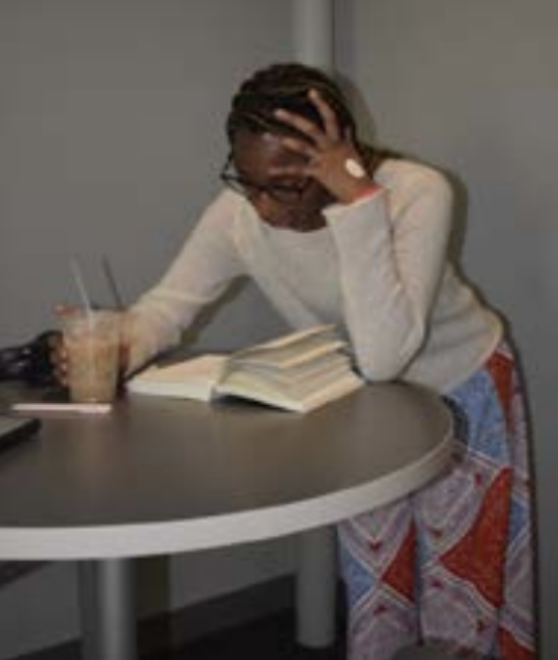
Quaker Cares has made it in the Whittier column! Each issue will feature an article exploring mental health within the WFS community. This fall’s issue topic is: SENIOR STRESS. Students may begin their journeys at Wilmington Friends at different ages, but they all end together: senior year, the final chapter of a Wilmington Friends education.
Since 1748, there have been 276 graduating classes, and this year, it is the class of 2026’s turn. There are many requirements for seniors. They must lead by example, set a tone forthe community, and complete the necessary steps to graduate. Furthermore, they will have to figure out their next steps in life.
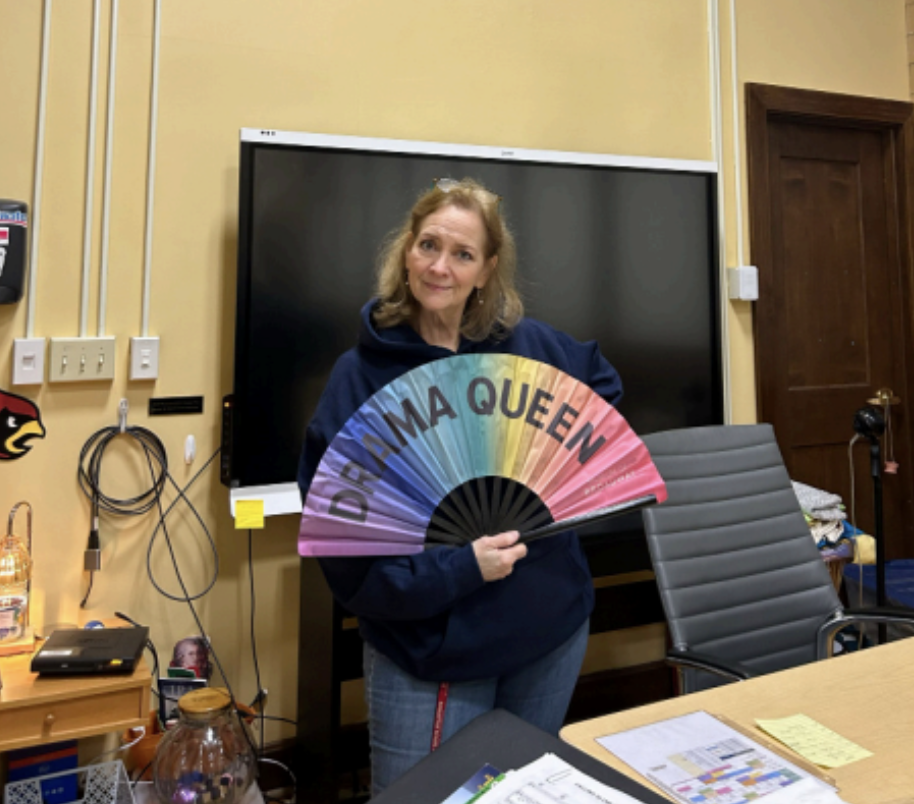
In this article, the following questions will be explored: How do seniors manage this? What makes seniors nervous? Where do they get their support? What is the solution to senior stress? When interviewed, Margaret Butterfield described applying to colleges as a “huge elephant in the room,” describing the pressure seniors feel as they near the end of high school. Butterfield referred to senior year as “the end of a chapter” and pointed out that, “as anyone is approaching the end of something, the tendency is not to want to miss out on anything. People tend to cram in a few too many things.” When asked how the faculty supports seniors’ mental health during this time, she explained that teachers “try really hard to be aware of what’s going on with students, not just their workload, but their mental health as well.” To help manage stress, Margaret Butterfield encourages seniors to try what she called “backwards planning.” When students feel overwhelmed, she suggests pausing, taking a few deep breaths, and then making a list to set priorities. The list entails deciding what needs to be done now, what can wait, and what’s coming up soon. “Backwards planning,” she explained, “is when you look where you need to be and plan the steps backwards.” This approach helps students stay grounded and focused as they navigate the demands of senior year.
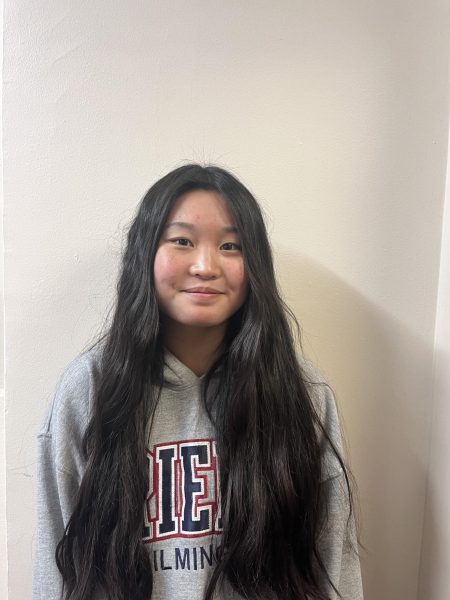
Aubrey Ashman ‘26 shared that “everything is kind of compiling up right now in the fall,” as college applications approach their deadlines. Still, she believes her stress is no different from that of previous seniors, saying, “Everyone’s going through the same
thing, which is nice to rely on.” To manage her stress, Ashman ‘26 turns to sports. “When I go to practice, it forces me to not think about anything else or do any work—I’m just focused on the practice. After I exercise, I always feel happier and more motivated. I think it’s a very good outlet that helps me be more productive after school.” She also emphasized the strong sense of support within the senior class: “I definitely feel very supported by my peers and teachers. Senior year brings us closer through the shared experience of preparing for college. It makes us more supportive because we’re all going through the same thing—everyone is a good resource for everyone else.” Reflecting on advice she received from past seniors, she added that it’s essential to “save time for yourself to spend time with friends or family before you go through the big transition period.”
Mr. Clothier reflected on how stress often shows up in athletics. “I think oftentimes the field is where it may come out—often not in a good way. It’s where students might be the most comfortable saying they’ve had a bad day, and they can do that through body language or verbally.” He explained that sports can both relieve and add to stress. “It does both for an individual on a given day. I always promote that it should be an opportunity to come out here and forget about the books, but I also understand that for some kids, it’s just two hours where they are away from their books, which creates a crunch of their time.” Ultimately, he emphasized the importance of community and perspective. “Oftentimes the collective nature of this place goes over our heads. And what I mean by that is the collective nature is—hey, we are all seniors, we are all going through this together. Can we somehow step up and help each other?” he said. He reassured seniors that they are not alone in their experience: “You are not the first person to go through this, and the school has a lot of success. It’s going to be great.”
In conclusion, senior year will have highs and lows but with the advice from Margaret Butterfield, Aubrey Ashman ‘26, and Mr. Clothier, seniors will be able to balance their demanding academics with precious time left with their friends.